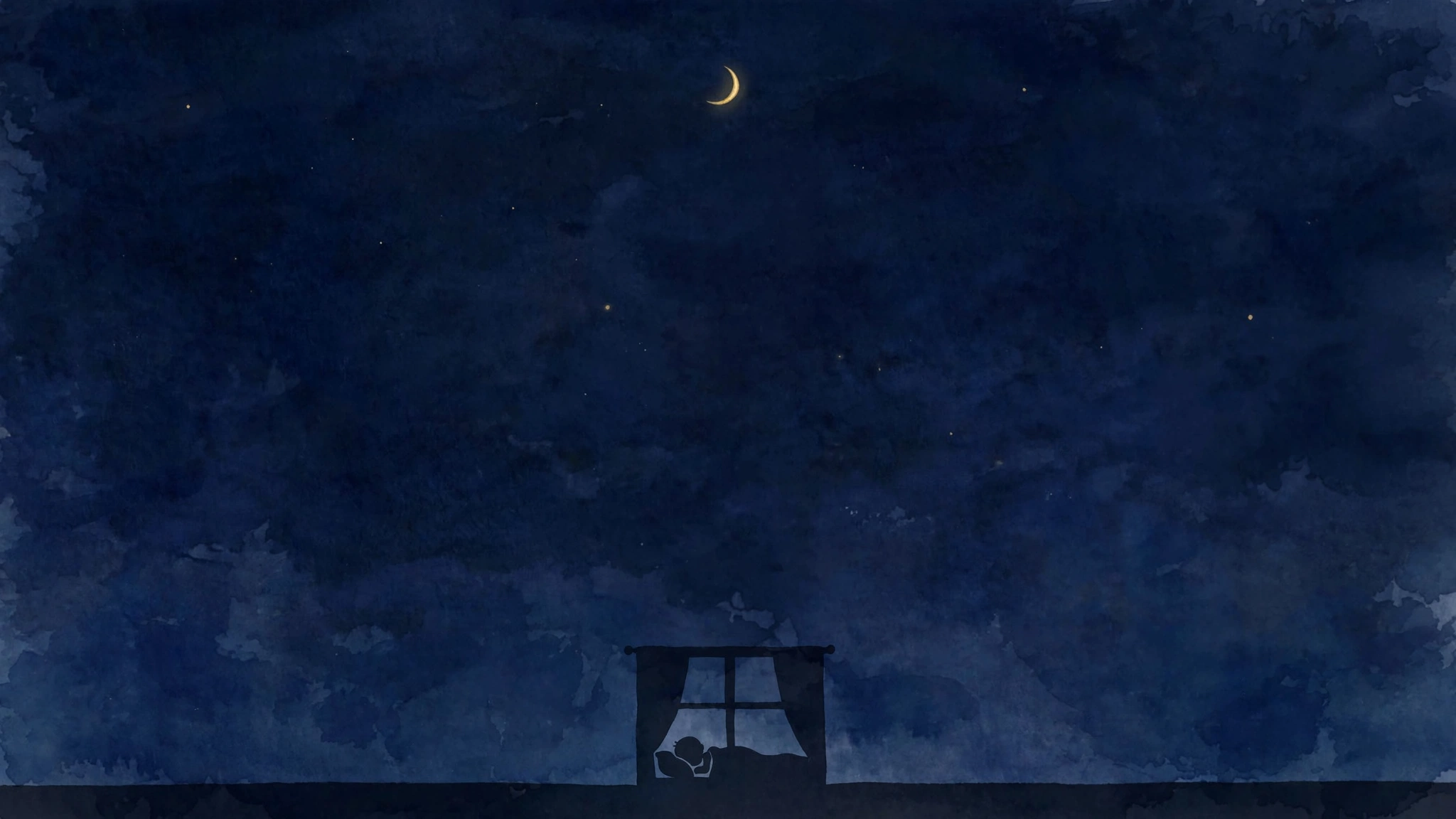
It’s 3 a.m. Your five-year-old is standing next to your bed, crying, because there was a monster in the closet. You know there is no monster. She is not interested in this information.
Welcome to the peak years of childhood dreaming. Between roughly ages three and six, kids dream vividly, remember the scary ones, and have almost no ability to tell themselves it wasn’t real. That’s not a malfunction. It’s what a developing brain looks like from the inside.
Key Takeaways
- Bad dreams peak between ages three and six, then fade as the brain’s emotion-regulation wiring matures.
- Nightmares and night terrors are different problems with different fixes, and most parents mix them up.
- The monster is usually a feeling, not a thing: fear, anger, powerlessness, or a big change the child can’t name yet.
- What works at 3 a.m. is boring and brief: calm voice, one sincere closet check, back to bed.
- The next day, have them draw the dream or retell it with a better ending. It genuinely helps.
- Call your pediatrician if nightmares run nightly for weeks, or if your child’s daytime behavior changes.
Monsters are just one symbol. There are 49 more.
Kids dream the classics before they can even spell them. Get The 50 Most Common Dream Symbols, our free guide that decodes the symbols behind your child’s dreams and yours.
Why Children’s Dreams Hit So Hard
Two things are true at once. Kids spend more time in REM sleep than adults do, which means more dreaming. And the prefrontal cortex, the part of the brain that says “that wasn’t real,” is under construction until the mid-twenties. A five-year-old literally lacks the hardware to dismiss a dream. When she says the monster was real, she’s reporting her experience accurately.
Dreams are also where the brain files the day’s emotions. Kids run into big feelings constantly: a scolding, a new sibling, the first day of school, a scary scene in a movie. They don’t have adult tools for processing any of it. So the feelings show up at night, wearing costumes.
The Greatest Hits (And What They Usually Mean)
Monsters
The classic. A monster is almost never about an actual thing the child fears. It’s a container for a feeling too big to name: anger at a parent, fear of the dark, jealousy over a new baby, the general sense of being small in a world run by giants. Ask what the monster does, not what it looks like. Chasing means something different from lurking.
Being chased
Same engine as the adult version, smaller legs. Something feels overwhelming and the child’s only strategy is running. Often shows up during transitions: starting school, moving house, a new caregiver. The question worth asking is gentle and indirect: “Is anything feeling too fast lately?”
Flying
The good one. Kids who dream of flying are usually doing fine. It maps to mastery, freedom, growing capability: learning to ride a bike, reading their first chapter book, the general thrill of getting bigger. If your kid reports flying dreams with delight, that’s the brain celebrating.
Losing you, or getting lost
Separation anxiety, rendered literally. Common around ages three to four and again with any separation: first sleepover, a parent traveling, divorce. The dream is asking the question the child can’t: will you still be there?
For dreams specifically about loss, see our guide to grief dreams.
Animals, friendly and otherwise
Dogs that protect, wolves that threaten, a beloved pet who talks. Animals carry the emotional charge the child can’t attach to a person yet. A scary dog might be a scary grown-up. A talking pet is often the child’s own voice, saying what they can’t say awake.
Nightmares vs. Night Terrors: The Distinction That Matters
This is the thing most parents get wrong, and getting it right changes everything.
A nightmare happens in the second half of the night. The child wakes up, remembers the dream, and wants comfort. Comfort works. Hold them, keep it brief, send them back.
A night terror usually strikes in the first hour or two after falling asleep. The child sits up screaming, eyes open, heart pounding, and doesn’t recognize you. They won’t remember it in the morning. Here’s the counterintuitive part: don’t try to wake them. Waking a child mid-terror tends to prolong it and confuse them further. Keep them safe from thrashing into furniture, speak quietly, and wait it out. It looks like an emergency. It isn’t one.
Night terrors run in families, get worse with overtiredness, and most kids outgrow them by adolescence. If they happen nightly or involve injury risk, that’s a pediatrician conversation.
What to Do at 3 A.M.
Keep it boring. Low lights, calm voice, short sentences. Check the closet once and mean it: a dismissive wave teaches them you don’t take it seriously, and a twenty-minute monster hunt teaches them the fear was justified. One sincere check, then back to bed.
Don’t launch into explanations about how dreams work. A crying five-year-old at 3 a.m. cannot use that information, and you’ll both just get more tired. Save the debrief for daylight.
On the bed question, here’s an honest position: bringing them into your bed occasionally is fine and human. Doing it every night turns your bed into the only place they feel safe sleeping, which creates a second problem. Most nights, walk them back to their room and sit with them until they settle.
What to Do the Next Morning
Daylight is when dreams get processed. Three things work:
Have them draw it. Getting the monster onto paper moves it from inside their head to outside, where it’s smaller. This isn’t folk wisdom; externalizing the image genuinely reduces its charge.
Retell it with a better ending. Ask what they’d change. The monster apologizes. They discover it’s guarding socks. This is a simplified version of imagery rehearsal, a real technique sleep psychologists use, and kids take to it naturally because it’s basically storytelling.
Audit the input. The show at 7 p.m. becomes the dream at 3 a.m. Kids are more permeable than adults to scary media, including news playing in the background. If nightmares spike, check what’s been on the screens.
When It’s More Than a Phase
Most childhood bad dreams are developmental weather: unpleasant, temporary, outgrown. Talk to your pediatrician when the pattern breaks: nightmares nearly every night for weeks, new bedwetting or daytime anxiety alongside them, dreams that clearly replay a frightening real event, or a child who becomes afraid to sleep at all. After a trauma, a move, a loss, or a scary medical experience, persistent nightmares deserve professional attention rather than waiting.
A Note for Families Who Read Dreams Spiritually
Some families treat children’s dreams as meaningful beyond psychology: messages, warnings, spiritual sensitivity. There’s no conflict here worth fighting about. The psychological reading explains the mechanism. What a dream means to your family is yours to decide, and a child who feels heard about a dream sleeps better regardless of the framework.
What This Means for Your Dreamer Type
Dreams speak differently to every Dreamer Type. Here’s what children’s dreams tend to connect with in yours:
The Seeker: Your meaning-hunting instinct is an asset here. Ask your child what the monster wanted. Kids often know the answer before adults do.
The Processor: Your dreams replay the day, and so do your child’s. Compare notes at breakfast. You’ll start seeing the same emotional bookkeeping in miniature.
The Visionary: Your cinematic dreams have a junior version sitting at your table. Lean into the storytelling: retelling the dream with a better ending is your native language.
The Sleeper: You barely remember your own dreams, which makes your child’s vivid ones feel foreign. You don’t need to interpret them. You just need to listen and stay calm.
The Mystic: If your family treats dreams as messages, your child may be the most tuned-in person in the house. Take their reports seriously without frightening them. Wonder, not worry.
Don’t know your Dreamer Type yet? Take the 2-minute quiz to find out.
Knowing your dreamer type helps you read any dream, including your child’s.
Keep Exploring
- Being Chased in a Dream: What It Really Means: the adult version of your kid’s chase dream
- Teeth Falling Out Dream Meaning: another classic anxiety dream, decoded
- Dream Meanings Dictionary: browse every symbol we’ve covered
Tonight: check the closet once, mean it, leave the hallway light on, and go back to sleep. The monster phase peaks around five and fades. The 3 a.m. visits fade slower. You’ll miss them a little.
Real dreams, fully interpreted: For a parent-side dream about a child being taken, see Dream Case Files #7, a member dream read as the mind rehearsing a feared loss, never as a prediction.