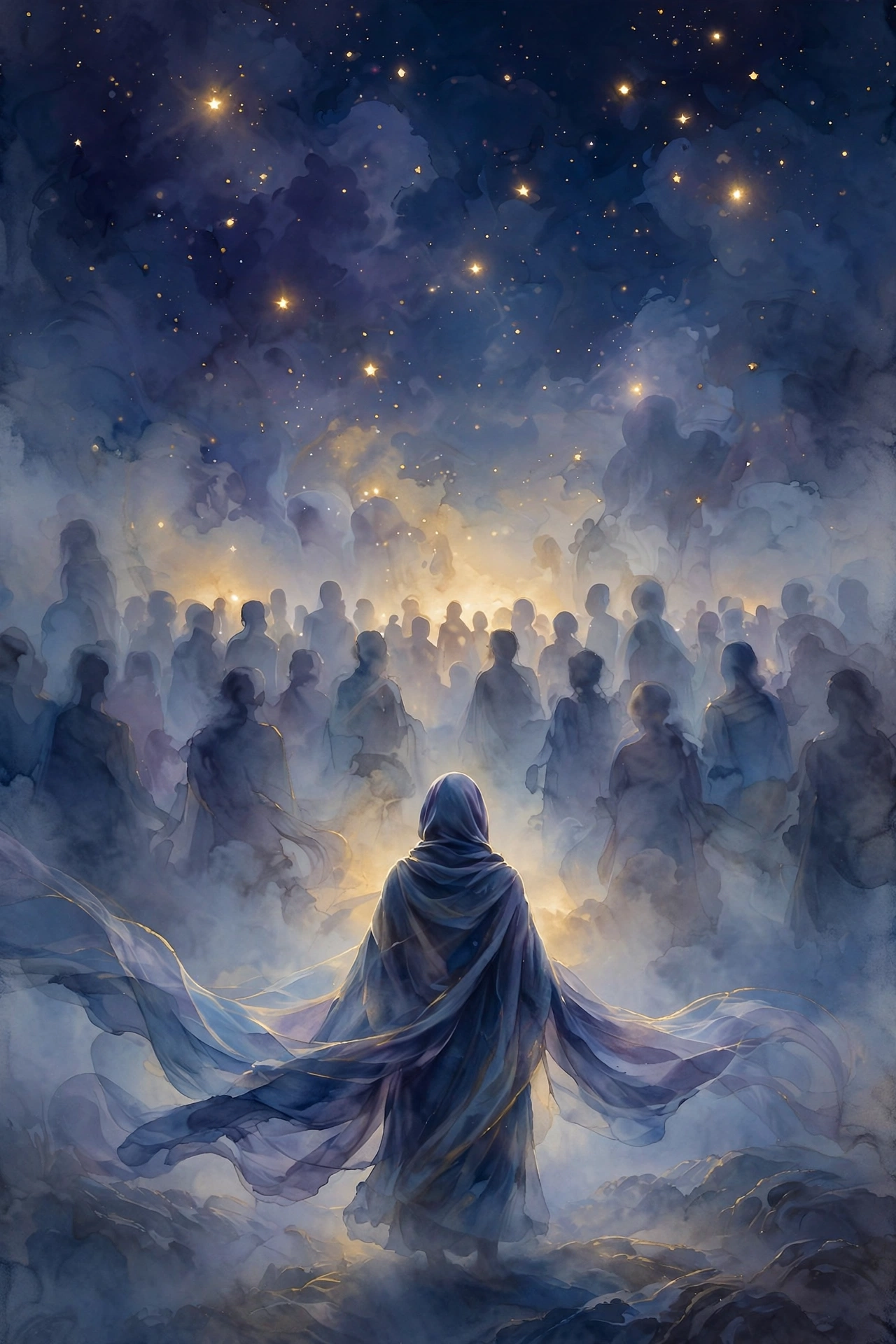
Being naked in a dream is about exposure, not your body. It shows up when you feel judged, unprepared, or seen before you are ready.
Picture it: you walk into class, or the office, or a crowded street, and suddenly it hits you. No clothes. No explanation. No time to figure out how this happened. Panic rises. You look for an exit, a coat, anything. Then you wake up, heart pounding, relieved to find your pajamas very much on.
Few dreams deliver that spike of embarrassment so fast. The naked-in-public dream is one of the most widely reported dreams in the world. Like most vivid dreams, its subject is rarely what it appears to be.
The Short Answer
Key Takeaways:
- Vulnerability and fear of judgment: being naked in a dream usually means feeling exposed or unprepared somewhere in your waking life.
- It shows up around being evaluated: new jobs, presentations, anywhere you worry people will see through you.
- It can also be positive: sometimes the dream is a wish to drop the act and be your authentic self, no hiding.
- Your reaction is the clue: panic points to insecurity. Calm acceptance points to confidence, or a desire for honesty.
Free: The 50 Most Common Dream Symbols Guide
Get the free guide when you join the DreamEvaluator mailing list.
Free: The 50 Most Common Dream Symbols Guide
Get the free guide when you join the DreamEvaluator mailing list.
Think of clothes as the version of you that you present to the world: prepared, covered, in control. When they vanish in a dream, that version goes with them. What is left is you, unprotected, in front of people. Most of the time the dream is pointing at a part of life where you feel seen too early. Or at a private wish to stop hiding.
6 Common Meanings of Being-Naked Dreams
1. You feel vulnerable or exposed
This is the core interpretation. The dream takes the feeling of being emotionally exposed, a weakness revealed, a secret at risk, a flaw you cannot hide, and translates it into the most literal image possible: physical exposure. It often appears when something private feels at risk of becoming public, or when you have let your guard down somewhere and now feel overexposed.
Ask yourself: Where in my life right now do I feel “seen” in a way I didn’t choose?
2. Fear of being judged or found out
The classic anxiety-dream scenario, and it overlaps with impostor syndrome. You walk into a meeting or a classroom and everyone can tell you don’t belong, or that you are not as prepared or competent as you appear. The nakedness is the fear that people will see through your performance. It tends to show up before presentations, interviews, first dates, or any situation where you will be evaluated.
If you have been avoiding something because you fear being judged, the dream is rehearsing that fear. Naming it often takes the edge off.
3. Guilt or shame about something you’re hiding
Naked dreams sometimes carry a specific guilt: you are not just exposed, you are exposed because something got uncovered. This version appears when you are carrying something you have not admitted. A mistake at work. A secret from a partner. A habit you are ashamed of. The dream plays the nightmare cut of the truth coming out all at once.
Take it as a prompt, not a punishment. The dream usually stops once the hidden thing is acknowledged, at least to yourself.
4. The desire to be your authentic self
Not all naked dreams are anxious. Some dreamers report feeling comfortable, even relieved, without clothes. That changes the meaning completely. This version can be a deep wish to drop the act: stop performing, stop curating, be known as you actually are.
If you have been playing a role that doesn’t fit, the agreeable employee, the person who has it all together, the dream may be telling you the costume is getting heavy.
5. A major transition where you feel unprepared
Naked dreams cluster around new beginnings. A new job, a new school, a new relationship, a new city. Anywhere you are starting from zero without the “clothing” of experience or familiarity. You are exposed because, in a real sense, you are. This is one of the more reassuring readings. Feeling unprepared in a new situation is normal, and as you settle in, the dream usually fades.
6. Anxiety about your body or aging
Sometimes the plain reading is the right one. If you have been self-conscious about your body, aging, illness, weight changes, a visible difference, the dream may be expressing that vulnerability directly. The nakedness isn’t standing in for anything else. It is the insecurity itself, appearing undisguised.
This version tends to feel more personal and less social. The anxiety is about being looked at, not about being unprepared. If this resonates, treat it as information about how you are feeling, not a verdict on how you look.
Common Variations (And What Changes the Meaning)
The details shift the message. Here’s how:
Naked at school or work
The classic setting, and the most evaluation-flavored version. School and workplace naked dreams point directly at performance anxiety: feeling tested or unprepared in a competence setting. If you are an adult who keeps dreaming of being naked in a classroom, it is not about school. It is about whatever in your life currently feels like a test. (The falling dream often shows up in the same anxious weeks.)
Naked in front of strangers vs. people you know
Strangers usually mean a general fear of judgment, the world at large. People you know make it more specific. Is there something about you that you are afraid one particular person will discover? A dream where you are naked in front of your boss sends a different message than one where it is a crowd of strangers.
Only partly naked, or wearing the wrong clothes
Half-dressed dreams (no pants, mismatched outfit, forgotten shoes) suggest a partial sense of unpreparedness. Not fully exposed, but not ready either. The “I studied for the wrong exam” feeling. Milder, but the same family.
Nobody seems to notice
Pay attention to this one. If you are mortified but everyone else acts like nothing is wrong, the dream is telling you something important: the scrutiny is coming from you, not them. The judgment you fear is your own. Many dreamers find this variation reassuring once they see it clearly.
You feel calm or comfortable being naked
The positive inversion. Comfort with nakedness suggests confidence, self-acceptance, or readiness to be seen as you are. Some dreamers report this version during periods of growing authenticity: coming out, changing careers, leaving a role that never fit. Your mind is trying on the feeling of having nothing to hide.
Trying to cover up or find clothes
Frantically searching for clothes or hiding behind objects amplifies the concealment theme. You are not just exposed, you are actively trying to stay hidden. This often accompanies real-life concealment: a secret, an unspoken truth. The effort in the dream mirrors the effort in waking life.
Is This Dream a Warning?
Rarely in any literal sense. Nothing bad is about to happen because you dreamed you were naked. But it can function as an honest early signal about avoidance: the longer you dodge a conversation, a confession, or a scary opportunity, the more insistent the dream becomes.
If the dream involves someone from your real life exposing or shaming you, and that person genuinely makes you feel unsafe or degraded, take that seriously in waking life. Dreams can process real dynamics your conscious mind minimizes. The dream says look closer at the relationship. Not that the dream itself is the problem.
What to Ask Yourself After a Naked Dream
Use these reflection questions to connect the dream to your waking life:
- Where do I feel exposed right now? Be specific. Is it work, a relationship, a social situation, your body? The dream is almost always pointing at one place.
- Whose judgment am I actually afraid of? If nobody noticed in the dream, the answer may be yourself. If it was specific people, name them.
- What am I hiding, from others or from myself? Naked dreams often guard a secret. Even writing it down privately can release the pressure the dream is dramatizing.
- Is there a role I’m tired of playing? If the dream felt like relief rather than panic, consider what “costume” you’ve been wearing, and whether it’s time to take it off.
- What’s new in my life? Transitions make everyone feel unprepared. If you recently started something, the dream may just be the normal discomfort of being a beginner.
Dreams fade fast. Jot down the setting, who was there, and how you felt before the details dissolve.
Go deeper
Frequently Asked Questions
Why do I keep having the naked-at-school dream as an adult?
Because your brain reuses old templates for new anxieties. The classroom was the original “being evaluated” setting in your life, so your dreaming mind returns to it whenever a current situation feels like being tested: a new job, a performance review, a social debut. The setting is old; the trigger is new. Ask what in your life right now feels like a test you didn’t study for.
What if I wasn’t embarrassed in the dream?
Then the meaning flips toward the positive: confidence, self-acceptance, or a desire for authenticity. A naked dream without shame is often one of the more liberating dreams. Your mind showing you what it would feel like to stop hiding. Pay attention to what in your life you’d like to be that open about.
Is the naked dream related to the teeth-falling-out dream?
They’re close relatives. Both belong to the family of anxiety and exposure dreams: teeth dreams center on losing control and fear of judgment about competence or appearance, while naked dreams center on being seen before you’re ready. They often appear during the same stressful periods. If you’re having both, your mind is sending the same message through two channels. Something in your life feels high-stakes and visible.
Get Your Free Dream Decoder
Want the full picture? Grab the free 50 Dream Symbols Guide. It comes free when you join the DreamEvaluator mailing list. You’ll get the guide plus ongoing dream insights, and you can unsubscribe anytime.
Dream interpretation is for self-reflection and entertainment, not medical or psychological advice.