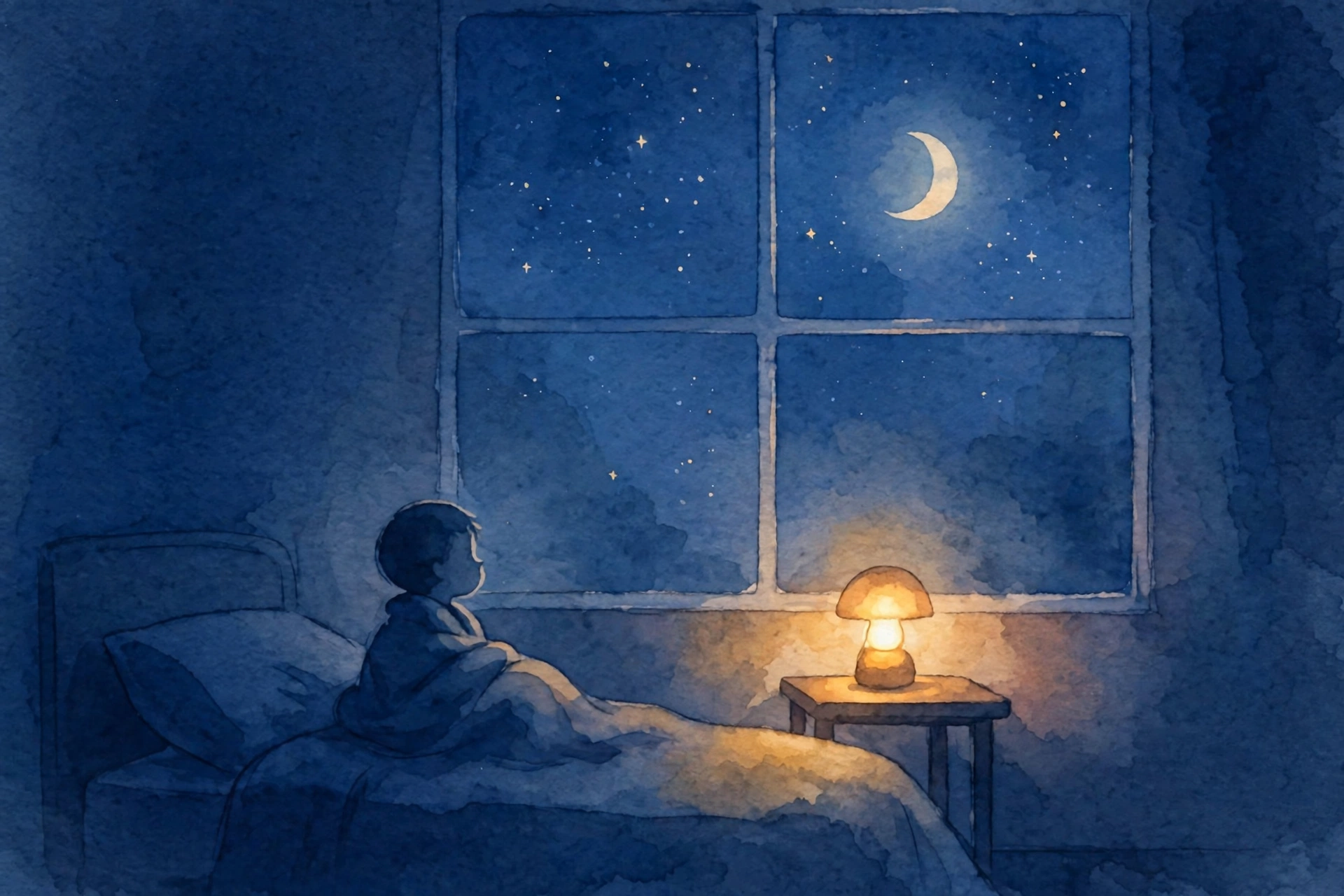
Why Kids Get Nightmares (and How Parents Can Help)
- Nightmares are a normal part of childhood development, most common between ages 3 and 6, when imagination outruns a child’s ability to tell fantasy from reality.
- Most kids’ nightmares track ordinary developmental fears: separation, the dark, monsters, getting lost. They are rarely a sign that something is seriously wrong.
- What helps most is simple: calm presence, a short honest explanation, and a predictable bedtime routine. Long interrogations about the dream usually backfire.
- Frequent, severe nightmares that disrupt sleep for weeks deserve a conversation with your pediatrician, especially after a scary or traumatic event.
Kids' dreams are just one symbol. There are 49 more.
Get The 50 Most Common Dream Symbols, our free quick-reference guide that decodes every symbol in this dictionary in plain English.
For grown-up readers having the same dream, our guide to being chased in a dream covers the adult version of the chase.
Kids' dreams are just one symbol. There are 49 more.
On this page
Every parent knows the sound. A cry from the dark bedroom, small feet hitting the floor, and then your child is in your arms, shaking, certain that something was in the room. It felt real to them because, in a very real sense, it was.
Here’s what you most need to hear: nightmares in children are normal. They peak between ages 3 and 6, and most kids outgrow the worst of them. Understanding what’s happening in that little brain makes the 2 a.m. wake-ups easier for everyone.
Why young brains produce nightmares
Around age 3, a child’s imagination takes off. They can picture things vividly, invent creatures, and run whole movies in their heads. What they can’t yet do reliably is tag those movies as “not real.” The brain region that sorts fantasy from reality is still under construction, and it stays that way for years.
So when a four-year-old dreams of a monster, the fear response is identical to yours if you dreamed the same thing. The body doesn’t check ID. Heart pounds, breathing quickens, tears come. Telling them “it was just a dream” is factually true and emotionally useless in the moment, because to their nervous system, it just happened.
Daytime experiences feed nighttime fears directly. A scary scene in a movie, a loud argument overheard, a change like starting preschool or a new sibling, even an exciting day with too much stimulation. Young children process big feelings at night because they lack the daytime tools adults use: talking it through, rationalizing, putting it in perspective. The dream is the processing.
There’s also a developmental logic to the themes. Separation fears dominate the toddler years because separation is the central drama of toddler life. Monsters rule the preschool years because that’s when imagination peaks. School-age kids dream about being lost, being chased, or failing at something, because their world has expanded to include performance and peer judgment. The nightmare mirrors the developmental task.
What nightmares look like at each age
Ages 2 to 3: Nightmares are often simple and sensory: loud noises, big animals, being separated from a parent. The child may not be able to describe what happened, just that it was scary. Comfort matters more than explanation at this age. They won’t remember the details in the morning, and that’s fine.
Ages 3 to 6: Peak nightmare years. Imagination is vivid, and the dreams get elaborate: monsters, witches, kidnappers, getting lost in strange places. This is also the age of the classic monster dream. Kids this age may develop bedtime resistance because they’re afraid to go back to sleep. That’s the nightmare casting a shadow over the evening, and it’s worth addressing with routine rather than reasoning.
Ages 7 to 12: Nightmares become more realistic and less fantastical: burglars, natural disasters, someone they love getting hurt, being chased. School anxiety starts showing up here too, in dreams about being unprepared or lost at school. Older kids can talk about their dreams in the morning, which gives you a window to help them process. Our guide to school anxiety dreams covers that territory.
In the moment: what to do at 2 a.m.
Keep it short, warm, and boring. Excitement, even the excited reassurance kind, tells the child’s nervous system that something big is happening. You want the opposite signal.
Go to them. Hold them if they want holding. Say what happened in plain words: “You had a scary dream. You’re awake now. You’re safe.” That’s the whole script. Repeat as needed. Don’t ask for a full plot summary at 2 a.m.; reliving the dream in detail can re-activate the fear you’re trying to calm.
A small comfort object helps: the stuffed animal, the blanket, the nightlight. These aren’t crutches. They’re transitional tools, and they work. A glass of water, a quick check of the closet if they ask (keep it brisk and cheerful, not a monster hunt), and back to bed with the same calm.
What doesn’t help: minimizing (“there’s nothing to be scared of,” which their body is actively contradicting), over-explaining the neuroscience, or bringing them into your bed as the default solution. An occasional exception on a truly rough night is human. A nightly habit teaches the brain that the bedroom isn’t safe alone, which feeds the cycle.
Daytime habits that prevent nightmares
Most nightmare prevention happens before bedtime, not during it.
Audit the inputs. The single biggest lever is what goes into the brain during the day. Scary shows, intense video games, true-crime podcasts playing in the car, news footage: kids absorb all of it, and it resurfaces at night. This doesn’t require a media-free household. It requires noticing the correlation. If nightmares cluster after certain content, you have your answer.
Protect the wind-down. An overtired, overstimulated child is a nightmare-prone child. Screens off well before bed, dim lights, the same sequence every night. Predictability is calming to a young nervous system. The routine itself becomes a safety signal.
Give daytime feelings a daytime outlet. Kids who can name and express worries during the day dream about them less at night. Drawing, roughhousing, talking about the day at dinner: all of it gives big feelings somewhere to go before sleep. If something specific is weighing on your child, a short, honest daytime conversation beats any bedtime technique.
Try the story rewrite for repeat offenders. If the same nightmare keeps coming, help your child retell it during the day with a braver ending. The monster turns out to be friendly. They find a magic door. This is the kid version of a technique adults use too, and children tend to take to it fast because it feels like play. Our guide to recurring nightmares explains the adult version of the same idea.
When to take it to the pediatrician
Most childhood nightmares are developmental and pass. A few patterns deserve professional input:
- Nightmares happening most nights for several weeks, especially if daytime behavior is changing: more clinginess, regression, new fears, trouble concentrating.
- Nightmares that started after a genuinely scary or traumatic event: an accident, a medical emergency, violence witnessed or experienced, a major loss.
- Sleepwalking, screaming episodes where the child can’t be woken or comforted (these may be night terrors, a different phenomenon, most common in the same age range), or signs the child is seriously sleep-deprived.
- Your own gut telling you something is off. You know your kid.
A pediatrician can tell the difference between developmental nightmares and something needing more support, and can refer to a child sleep specialist if needed. Going in isn’t an overreaction. It’s parenting.
Frequently asked questions
Why does my child have nightmares every night?
Nightly nightmares usually mean something in the child’s days is consistently feeding them: ongoing stress, a developmental leap, too-stimulating media, or an irregular sleep schedule. Look for the daytime pattern first. If nightly nightmares persist for weeks despite calmer days and better sleep hygiene, talk to your pediatrician.
Should I wake my child up from a nightmare?
If they’re crying out but still asleep, you usually don’t need to fully wake them. A calm hand, a soft voice, and your presence are often enough to ease them into a calmer sleep phase. If they’re fully awake and distressed, comfort them as described above, then settle them back down.
At what age do nightmares stop?
They typically peak between 3 and 6 and taper off through the school years, though older kids and even teens still get them during stressful periods. The fantastical monsters fade first; realistic anxiety dreams linger longer because adult life keeps supplying material.
Can nightmares mean my child is anxious?
They can reflect ordinary developmental anxiety, which is normal. They become a concern when paired with persistent daytime anxiety: stomachaches before school, avoidance of normal activities, big reactions to small setbacks. The nightmare alone is rarely the whole story, so look at the days too.
Do night terrors and nightmares mean the same thing?
No. Nightmares happen in REM sleep, usually in the second half of the night, and the child wakes up scared but consolable and often remembers the dream. Night terrors happen in deep sleep, usually in the first few hours: the child may scream, thrash, and seem awake but can’t be comforted and won’t remember it. Night terrors look worse than they are and are also usually developmental.
The long view
Years from now, you probably won’t remember the specific monsters. Your child won’t either. What lasts is quieter: the memory, held somewhere below words, that when the dark was scary, someone came. That’s the real work of the 2 a.m. wake-up, and you’re already doing it.
For more on the symbols that visit young dreamers, our free guide to the 50 most common dream symbols is written for grown-ups but covers the monsters, chases, and falling dreams kids report most. Find it at dreamevaluator.com/free-dream-symbols-guide/.
Leave a Reply